


‘No longer possible’ to grow large pharmacy groups, says Peak CEO
Arthur Walsh,
04 Jun 2026 6 Min
6 Min

Arthur Walsh,
04 Jun 20266 Min
Arthur Walsh,
04 Jun 20266 Min


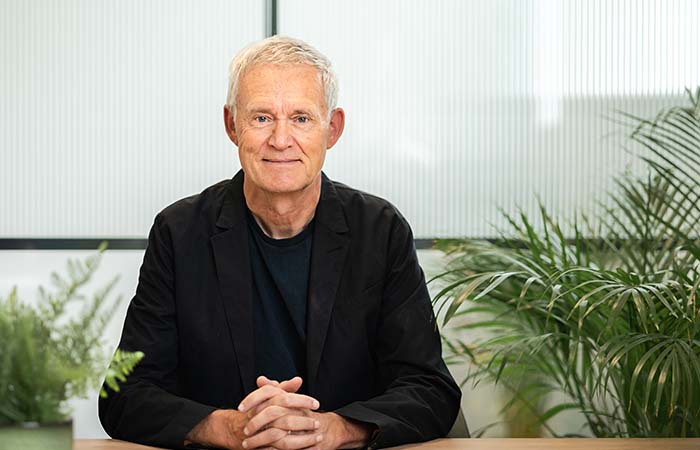
The business ecosystem that gave size to regional chains has mostly died out, Peak Pharmacy CEO Peter Cattee tells P3pharmacy in an interview conducted alongside managing director Joe Cattee at their Chesterfield headquarters.
“The reason we, Cohens, Day Lewis and Weldricks have been able to do what we did is because when we were doing it, money cost you nothing. Wholesalers would fund or underwrite all your loans,” says Peter.
“It was a completely different environment, and community pharmacy remuneration was actually reasonable.
“It is not possible to grow a large group in the way we’ve done – unless those factors return, and they’re unlikely to because technological changes have occurred.”
Speaking to P3pharmacy before the 2026-27 settlement is announced, he says his analysis of the latest accounts from eight pharmacy groups with a combined total of well over 2,000 branches – including his own – shows they have collectively lost £54m on turnover of £3.3bn.
He believes the spirit of entrepreneurialism that drives contractors to want to stand and fall by their own decisions is now under threat: “The frustration we have now is that most of the factors that affect community pharmacy poverty currently have even taken away from us. “
He offers minimum wage as an example, saying that while he is adamant that “our staff are not overpaid” it is as big a factor driving the £54m loss as the “maldistribution of profit” in the sector.
“It’s the government doing stuff without any recognition of the fact that there just isn’t a pressure relief valve for pharmacy anymore. Every year, with increasing regularity, problems are put onto our shoulders that frankly – and I’m not defeatist – it’s impossible to find solutions to now. That’s why it must change.”
Another example of Government “doing stuff” without heed to the consequences was Labour’s manifesto commitment to launch a prescribing service, something Peter describes as a “bewildering” move carried out “without any consultation with the people who are going to have to provide the service”.
He continues: “To leap into something as fundamental as independent prescribing – which will undoubtedly happen at some point in the future – without having a better understanding of how to execute the transformation from what we do now – would be the biggest irresponsibility we could possibly do and a disservice to the 90 per cent of contractors who are probably still not in a position to provide this service.”
The 2026-27 contract announcement, which came after P3pharmacy’s interview with Peak Pharmacy, contains modest plans to introduce an IP element within Pharmacy First from September, but falls short of setting out a model for a standalone IP service.
Community Pharmacy England – on whose negotiating team Peter sits (P3pharmacy spoke to him solely in his capacity as Peak CEO) – has said it is up to individual contractors to decide “whether they want to provide the service or prioritise the use of IP skills elsewhere in their business”.
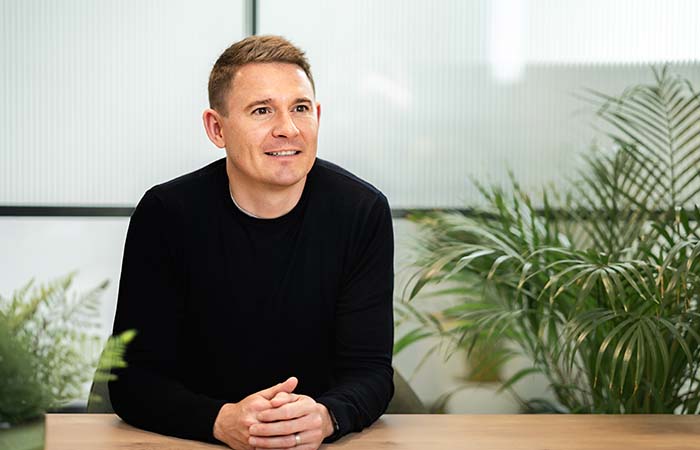
His qualms around Labour's prescribing plans (or lack thereof) aside, Peter sees much potential in the rise of clinical service provision – but fears the financial layout required to invest in necessary infrastructure like consultation rooms is a tall order for cash-strapped owners.
However, despite those cost concerns, he is optimistic that a better future is possible if business owners are prepared for a fundamental mindset shift.
There is a paradox at the heart of pharmacy, he argues: “If you put more and more money into stock and a system where you feel you can beat the average, I believe contractors will be even more focused on buying. That’s not what we want if you want to develop a clinical future.”
He argues that prescription assembly must be centralised to a much greater extent than currently happens.
“People need to get their head away from thinking ‘I can beat the average with my buying’ – though it is perfectly understandable that people should want that.”
Peak’s multi-million investment in its dispensing facility, which opened in 2023, arose from this need to “break out of the cycle” and “create a future,” he says, adding: “You can’t continue to be a cottage industry run on part-time staff, no disrespect to people who are forced into that now, because increasingly that’s the only way you can make the maths of it work. By driving costs down.”
“In reality, that’s what’s happening across the entirety of community pharmacy.”
Peak is reducing its dependency on that outdated model through the use of technology, they say. P3pharmacy is taken on a tour of the site, which is truly impressive in it scale. “We’re doing 2,000 items an hour – it’s quite an achievement when you multiply it by 15 hours,” says Joe.
Automated dispensing has helped create the headroom needed in branches to concentrate on patients, the Cattees tell me.
“That’s what you can’t see in our accounts,” says Peter. “From a service perspective, the last three months have surpassed all our budgets for the last three months.
“Services are on the up. But what we can’t change is the culture in community pharmacy. We can try and build to and tell people what’s going to happen.”
He refers to a “normal distribution curve of attitude” within the sector, with enthusiasts and trendsetters on one side and a “very significant” number who are “just happy to get through.”
Carrying on with a business-as-usual approach is risky in the current climate, says Peter: “The whole system was predicated upon an average being achievable for a majority. You can’t have the average achieved by 50 per cent and the other half making a loss, that’s too unstable.”
Family-run enterprises are characterised by a distinct sense of mission, says Peter. “The business becomes an extension of your worldview and your principles.”
Central to the Peak worldview is a certain egalitarian ethos. “I hate hierarchy in every regard, always have done since I was a schoolboy,” says Peter. “Every job should be able to be done by everyone as long as they have skills to do it, and that certainly means me”
This bootstraps culture is refreshing to those who have joined Peak from large corporates – and has barely changed since Peak began as a single branch independent in 1981, he says: “We’re decision makers. We commit to something, we tend to do it, we don’t have levels of management and bureaucracy that you have to work towards to get stuff done. People like that sense of autonomy.”
While the Cattees are not shy of addressing the grim realities facing today’s community pharmacy sector, they tell me that the prevailing Peak ethos is one of optimism.
“Would we have put £25m of our own money into this if we didn’t believe in the future of pharmacy,” Peter asks rhetorically in reference to the dispensing warehouse.
“We’re one of a small number of companies that have built something for the future that is changing working practice for the better and which prioritises patient safety in terms of accuracy. I think we couldn’t have achieved that if it wasn’t for our attitude to life.”
It hasn’t all been plain sailing; the shift away from having all items dispensed at branch level required delicate conversations with staff and led to a temporary drop in script numbers, says Joe. And most pharmacy groups are feeling increased competition from small independents as they battle for survival, he adds.
But he says this is now under control: “If you look at our items for the last three to four months, every month we’ve surpassed our budgets.”
While there are economic benefits to the new way of working, this isn’t the primary driver, says Peter: “When you see the professional standards we can operate to – I’m not being immodest, but anyone would want to do it like this.”


